

Testosterone Replacement Therapy (TRT) in Northfield, IL
Testosterone Replacement Therapy (TRT) is a clinically supervised therapy to restore testosterone in men who have a confirmed deficiency. Low testosterone can cause persistent fatigue, reduced libido, mood shifts, and other quality-of-life changes. At 369 Wellness Center in Northfield, IL, we design individualized TRT plans that address symptoms and support overall vitality. Below, we explain symptoms and diagnostic steps for low T, the potential benefits and risks of TRT, how we tailor therapy, and what to expect for costs and insurance, so you can make an informed choice about your care.
How the Endocrine System Supports Testosterone and Why It Matters
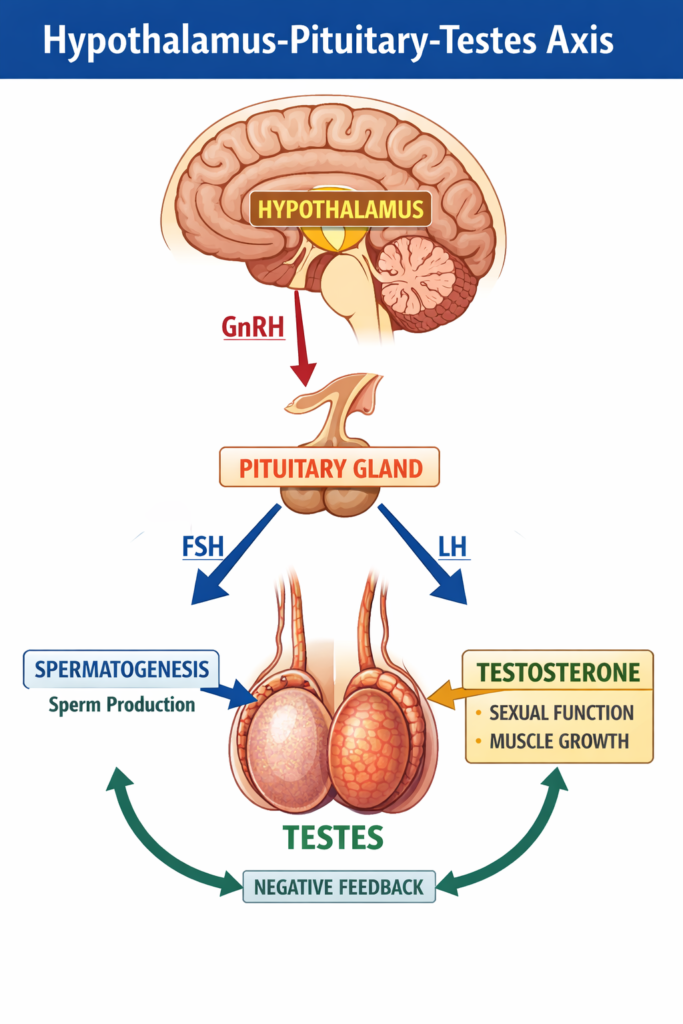
The endocrine system controls hormones that manage growth, metabolism, and reproduction. Testosterone, the principal male sex hormone, is produced mainly in the testes under regulation by the hypothalamus and pituitary gland. This hypothalamic–pituitary–testicular axis keeps testosterone within the range needed for energy, sexual function, and overall male health.
Testosterone naturally declines with age, a gradual process often called andropause or late-onset hypogonadism. Unlike menopause, the decline is slow and varies by person. When levels fall enough to cause symptoms, men may notice less energy, lower libido, and cognitive changes.
Clinically, hypogonadism is divided into two types:
- Primary hypogonadism: The testes themselves produce too little testosterone despite normal or elevated signals from the brain.
- Secondary hypogonadism: The problem lies with the hypothalamus or pituitary, which fail to stimulate the testes adequately.
Recognizing the underlying cause is essential to picking the safest and most effective TRT approach for each patient.
What Symptoms Point to Low Testosterone and How Is It Diagnosed?
Low testosterone (hypogonadism) can show up in multiple ways that meaningfully reduce quality of life. Common signs include chronic fatigue, diminished sexual desire, mood changes or depression, and trouble concentrating. Diagnosis combines a careful clinical evaluation with targeted blood tests, since untherapyed low T can contribute to conditions like osteoporosis and cardiovascular risk. A clear definition of hypogonadism helps determine when testosterone therapy is appropriate.
Hypogonadism Diagnosis: Indication for Testosterone therapy
The primary indication for testosterone therapy is a diagnosis of hypogonadism. Evidence-based Endocrine Society guidelines (originally published in 2006 with updates in 2010 and 2018) define hypogonadism as a clinical syndrome resulting from failure of the testes to produce physiological concentrations of testosterone and a normal number of spermatozoa. Diagnosis and evaluation of hypogonadism, AM Matsumoto, 2006
Diagnosis & Advanced Lab Testing
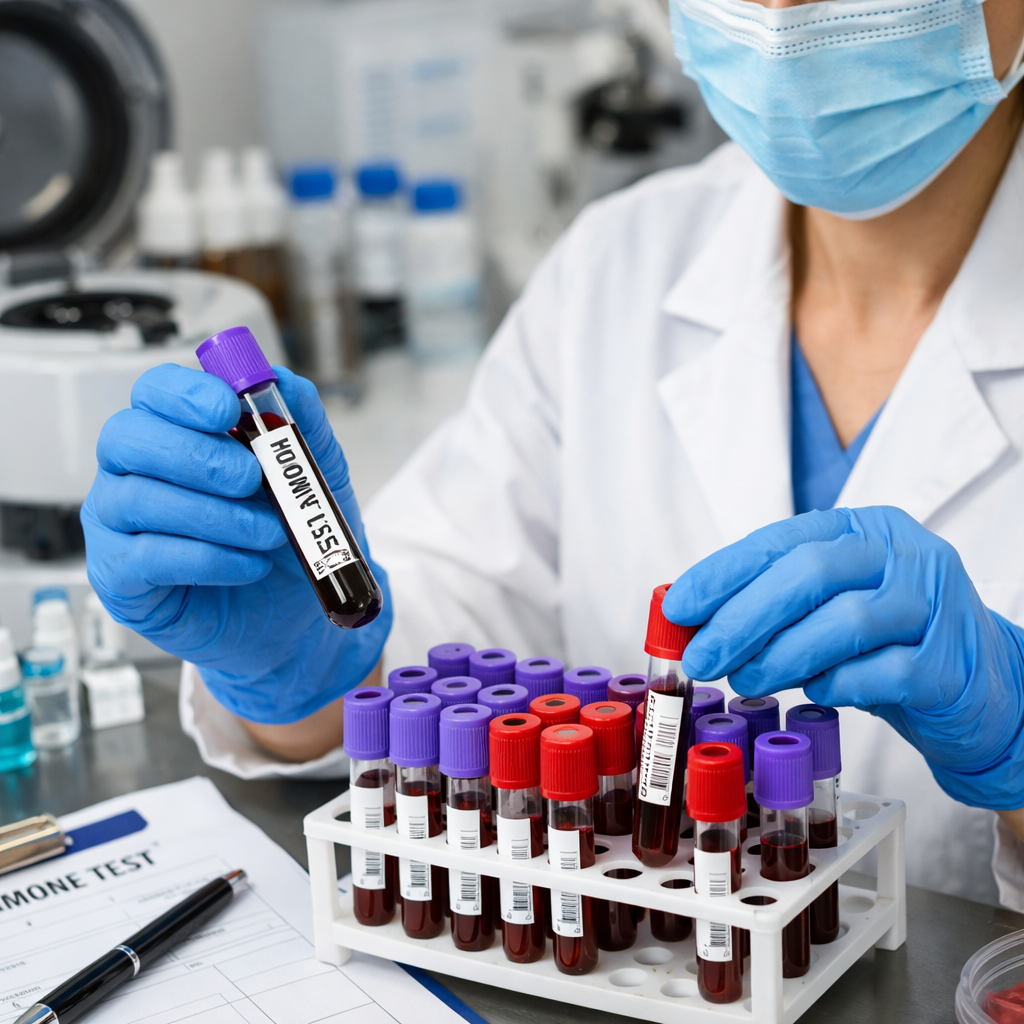
Accurate diagnosis goes beyond a single blood draw. At 369 Wellness Center we use comprehensive panels that include:
- Total testosterone: The full circulating testosterone measurement.
- Free testosterone: The unbound, biologically active fraction important for symptom correlation.
- Sex hormone–binding globulin (SHBG): A protein that affects how much testosterone is available to tissues.
- Markers of pituitary signaling that help distinguish primary from secondary hypogonadism.
- Estradiol: An estrogen that can influence symptoms and guide dosing decisions.
- Prolactin and thyroid tests: To rule out other endocrine conditions that mimic or contribute to symptoms.
Because testosterone levels fluctuate, blood is usually drawn in the morning when levels are highest. Low testosterone is commonly defined as total testosterone under 300 ng/dL on at least two separate morning tests, along with consistent clinical symptoms. Results are interpreted in the context of age, health history, and symptoms to guide therapy decisions.
How Low Testosterone Affects Men’s Energy, Mood, and Function
Low testosterone can reduce energy and stamina, making routine tasks feel harder and lowering overall vitality. It is also associated with mood disturbances, including depression and anxiety, which can further undermine daily functioning. Physically, reduced testosterone often leads to loss of muscle mass and strength, which affects activity levels and metabolic health. Addressing low T can therefore improve both physical performance and mental well-being.
Clinical research further clarifies the diagnosis and potential benefits of TRT for late-onset hypogonadism.
Late-Onset Hypogonadism: Diagnosis, therapy, and TRT Outcomes
Late-onset hypogonadism (LOH) is a common condition in aging men. Reviews of the evidence summarize LOH’s clinical impact and the outcomes associated with testosterone replacement therapy. Diagnosis and therapy of late-onset hypogonadism: systematic review and meta-analysis of TRT outcomes, G Corona, 2013
Benefits and Potential Side Effects of Testosterone Replacement Therapy
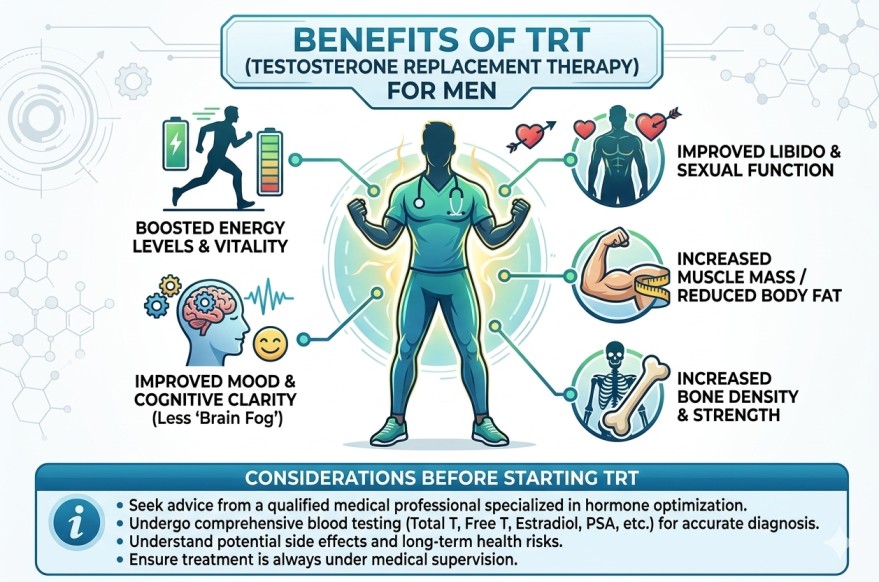
When medically indicated, TRT can produce meaningful benefits: increased energy, improved libido, better mood, and enhanced overall wellbeing. As with any medical therapy, TRT carries potential side effects that we monitor closely.
It’s important to weigh benefits and risks, particularly for older men or those with comorbid conditions.
Testosterone Therapy: Benefit–Risk in Hypogonadism
The benefit-to-risk balance for testosterone therapy is favorable for many younger men with classical hypogonadism from testicular or hypothalamic–pituitary disease. However, the net benefit and risk profile for older men with age-related declines in testosterone have not been fully established.
Diagnosis and therapy of hypogonadism in men, 2011
| Benefit | Potential Side Effect | How We Manage It |
|---|---|---|
| Higher energy and overall vitality | Acne or oily skin | Skin care guidance and monitoring; therapy adjustments if needed |
| Improved libido and sexual function | Worsening or unrecognized sleep apnea | Sleep assessments and referral to specialists when appropriate |
| Better mood and cognitive clarity | Elevated red blood cell count (polycythemia) | Routine blood work and dose adjustments or therapeutic phlebotomy if required |
These outcomes reinforce why individualized care and regular follow-up are essential for safe, effective TRT
How TRT Restores Energy, Libido, and Overall Wellness
TRT brings testosterone back into a healthy range, which supports muscle maintenance, metabolic health, and sexual function. Patients commonly report improvements in energy, motivation, and mood as hormones stabilize. Combined with lifestyle changes, exercise, nutrition, and sleep, TRT often helps men reclaim the day-to-day vitality they were missing.
Common Side Effects and How We Address Them
Most side effects are manageable with careful monitoring. Common issues include skin changes, potential sleep-disordered breathing, and increases in hematocrit. At 369 Wellness Center we follow evidence-based monitoring protocols, adjust dosing when necessary, and collaborate with specialists to reduce risks and maximize benefits.

Cognitive Health & Mental Wellness: Testosterone’s Role
Testosterone influences brain function, affecting attention, memory, motivation, and mood. Men with low T often describe brain fog, reduced focus, and lower drive. Restoring testosterone can improve cognitive clarity, emotional stability, and confidence, outcomes that positively affect work and relationships.
TRT is one component of a broader mental wellness strategy that includes sleep optimization, nutrition, and stress management.

Metabolic and Body Composition Benefits of TRT
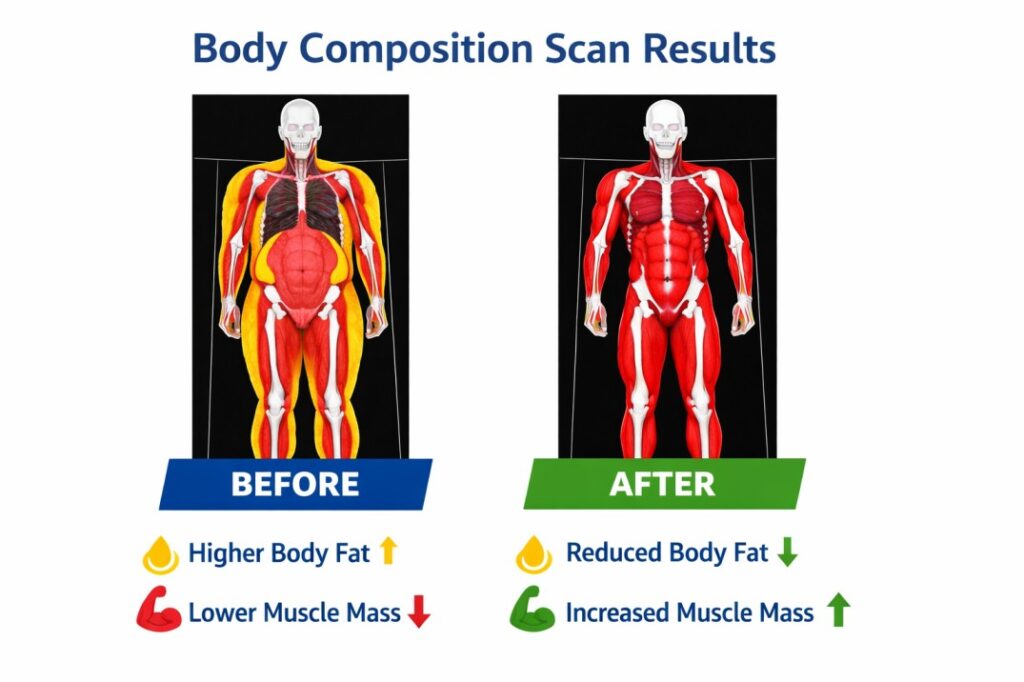
Testosterone helps regulate body composition and metabolism. Low T is linked to increased visceral fat and a higher risk of metabolic syndrome. TRT can promote fat loss, preserve or build lean muscle, and improve insulin sensitivity. These changes support better weight management and may lower some cardiovascular risk markers when combined with healthy lifestyle practices.
Long-Term Wellness and Healthy Aging with TRT
Beyond short-term symptom relief, appropriate TRT can support long-term health goals: improved bone density, better sleep quality, and maintenance of strength and mobility. Ongoing monitoring of hormones, cardiovascular health, and bone strength helps ensure sustained benefit while minimizing risk. At 369 Wellness Center, TRT is paired with lifestyle counseling to support healthy aging.

How 369 Wellness Center Personalizes TRT Plans in Northfield
We therapy each patient as an individual. Our personalized TRT protocols begin with a detailed medical history, symptom review, and targeted lab testing. From that foundation, we design a plan that fits your goals, health profile, and lifestyle, then monitor progress and adjust as needed.
What Advanced Diagnostics Inform Customized Hormone Care?
We use a broad hormonal panel that includes total and free testosterone plus related hormones to build a complete picture. This deeper understanding helps us choose the most appropriate formulation and dosing schedule for each patient.
How Do Cellular Rejuvenation and Detoxification Fit into TRT?
Alongside TRT, we offer complementary therapies that support cellular health and detoxification. These interventions aim to enhance recovery, reduce inflammation, and promote metabolic balance, helping patients get more durable results from their hormone therapy.
Understanding the Benefits and Risks of TRT
1. Introduction
Krupesh Patel, FNP-BC, is a board-certified Family Nurse Practitioner with advanced expertise in functional, integrative, and regenerative medicine. Since launching his healthcare career in 2013, he has been committed to helping patients achieve optimal health by identifying and addressing the root causes of illnesses rather than simply managing symptoms.
2. Specialization
Krupesh specializes in hormone optimization, metabolic health, and preventive medicine, blending evidence-based practices with a highly personalized, patient-centered approach. His goal is to guide individuals toward long-term wellness and vitality through innovative therapies designed to restore balance and enhance overall well-being.
3. therapy Approach
His therapy approach is at the intersection of the latest medical advancements and natural lifestyle modifications to help patients optimize health. He is passionate about empowering his patients with the education and tools they need to take charge of their health and thrive at every stage of life.
Costs and Insurance Options for TRT at 369 Wellness Center e
Understanding costs up front helps you plan for care. At 369 Wellness Center we prioritize transparent pricing and will outline expected fees for testing, therapy, and follow-up so there are no surprises.
How Does TRT Pricing Compare Locally in Northfield, IL?
Local pricing depends on the specific therapy plan, frequency of visits, and required labs. Our fees are competitive for the level of personalized, medically supervised care we provide. Contact our team for a detailed estimate based on your individual needs.
What Insurance Plans and Payment Options Are Available?
We work with a range of insurance plans and can assist with verification to determine coverage. For services not covered by insurance, we offer flexible payment options and can discuss a plan that fits your budget.
Frequently Asked Questions
1. What lifestyle changes can enhance the effectiveness of TRT?
Incorporating healthy lifestyle changes can significantly enhance the effectiveness of Testosterone Replacement Therapy (TRT). Regular exercise, particularly strength training, can help build muscle mass and improve overall vitality. A balanced diet rich in whole foods, healthy fats, and lean proteins supports hormone balance. Additionally, prioritizing quality sleep and managing stress through mindfulness or relaxation techniques can optimize the benefits of TRT. These lifestyle modifications not only complement the therapy but also contribute to long-term health and well-being.
2. Are there specific dietary recommendations for men undergoing TRT?
Yes, men undergoing TRT can benefit from specific dietary recommendations. A diet rich in healthy fats, such as avocados, nuts, and olive oil, can support hormone production. Foods high in zinc, like oysters and pumpkin seeds, are also beneficial for testosterone levels. Incorporating plenty of fruits and vegetables provides essential vitamins and antioxidants that promote overall health. Staying hydrated and limiting processed foods and sugars can further enhance the effectiveness of TRT and support metabolic health.
3. How does TRT impact cardiovascular health?
TRT can have both positive and negative effects on cardiovascular health, depending on individual circumstances. Some studies suggest that TRT may improve cardiovascular risk factors by enhancing insulin sensitivity and reducing body fat. However, it can also lead to increased red blood cell production, which may elevate the risk of blood clots. Regular monitoring of cardiovascular health is essential during TRT to ensure that any potential risks are managed effectively, allowing for a balanced approach to therapy.
4. Can women benefit from testosterone therapy?
While testosterone therapy is primarily associated with men, women can also benefit from testosterone therapy in certain circumstances. Women with low testosterone levels may experience symptoms such as fatigue, decreased libido, and mood changes. However, the approach and dosing differ significantly from that used in men. Women considering testosterone therapy should consult with a healthcare provider to evaluate their specific needs and determine the most appropriate therapy plan.
5. What are the long-term effects of TRT?
The long-term effects of TRT can vary based on individual health profiles and therapy adherence. Many men experience sustained improvements in energy, mood, and sexual function. However, potential long-term risks include elevated red blood cell counts, sleep apnea, and possible cardiovascular issues. Regular follow-up appointments and blood tests are crucial to monitor hormone levels and overall health, ensuring that any adverse effects are addressed promptly while maximizing the benefits of therapy.
6. How does TRT affect mental health and cognitive function?
TRT can positively impact mental health and cognitive function in men with low testosterone levels. Many patients report improvements in mood, reduced anxiety, and enhanced cognitive clarity after starting therapy. Testosterone plays a role in brain function, influencing memory, attention, and motivation. However, individual responses can vary, and it’s essential to monitor mental health closely during therapy to ensure that any psychological changes are addressed appropriately.
7. What should I expect during my first TRT consultation?
During your first TRT consultation, you can expect a comprehensive evaluation that includes a detailed medical history, discussion of symptoms, and targeted lab testing. The healthcare provider will assess your testosterone levels and other relevant hormones to determine if TRT is appropriate for you. This initial visit is also an opportunity to discuss your health goals, therapy options, and any concerns you may have. Open communication is encouraged to ensure a personalized approach to your care.
1. What is TRT and how does it work?
TRT is a prescribed medical therapy that restores testosterone for men with confirmed low levels. It can be delivered as injections, topical gels, or subcutaneous pellets, and is used to relieve symptoms and restore normal physiological function.
2. What are normal testosterone levels by age?
Normal adult male testosterone levels generally range from about 300 to 1,000 ng/dL. Levels peak in early adulthood and typically decline gradually with age.
3. How long does it take to feel results from TRT?
Many patients notice improvements in energy, mood, and libido within 3 to 6 weeks; broader benefits often continue to develop over 3 to 6 months.
4. Is TRT safe for men over 50?
When monitored by experienced clinicians, TRT can be safe and effective for men over 50. We assess individual risk factors and monitor therapy closely to promote safety.
5. Can TRT help with weight loss and muscle gain?
Yes. TRT can support fat loss and help preserve or increase lean muscle mass, especially when combined with exercise and proper nutrition.
6. Do I need a prescription for TRT in Northfield, IL?
Yes. TRT requires a prescription from a licensed healthcare provider following a thorough evaluation and confirmed diagnosis.
7. What happens if I stop TRT?
Symptoms of low testosterone may return if therapy is stopped. Any change in therapy should be discussed with your provider so we can manage symptoms safely.
8. How often are TRT injections administered?
Injection schedules vary by patient and medication, but typical intervals range from weekly to every two weeks, based on what works best for hormone stability and symptom control.
9. Is TRT covered by insurance in Illinois?
Coverage depends on the specific insurance plan and medical necessity documentation. Many plans will cover TRT when hypogonadism is properly documented; we can help verify coverage.
10. What is the difference between TRT and anabolic steroids?
TRT is prescribed to restore normal hormone levels and is carefully monitored. Anabolic steroids are often used in much higher, nonmedical doses for performance enhancement and carry higher health risks.

Take the First Step Toward Restoring Your Vitality Today
Our team at 369 Wellness Center is committed to helping men in Northfield, IL recover energy, confidence, and better health through individualized TRT. If low testosterone is affecting your life, we’re here to help, with clear testing, personalized plans, and ongoing support.