Advanced Neuropathy Therapy in Northfield, IL: Restore Nerve Health
Peripheral neuropathy affects millions and can cause persistent, often debilitating pain. It results from damage to the peripheral nerves and commonly produces numbness, tingling, and weakness. Recognizing symptoms and underlying causes is the first step toward meaningful relief. Below, we outline the advanced therapy options available at 369 Wellness Center in Northfield, IL, explain the role of neuropathy rehabilitation, and walk through our approach to long-term pain management, plus how to schedule a consultation with our team.
What Are Peripheral Neuropathy Symptoms and Causes?
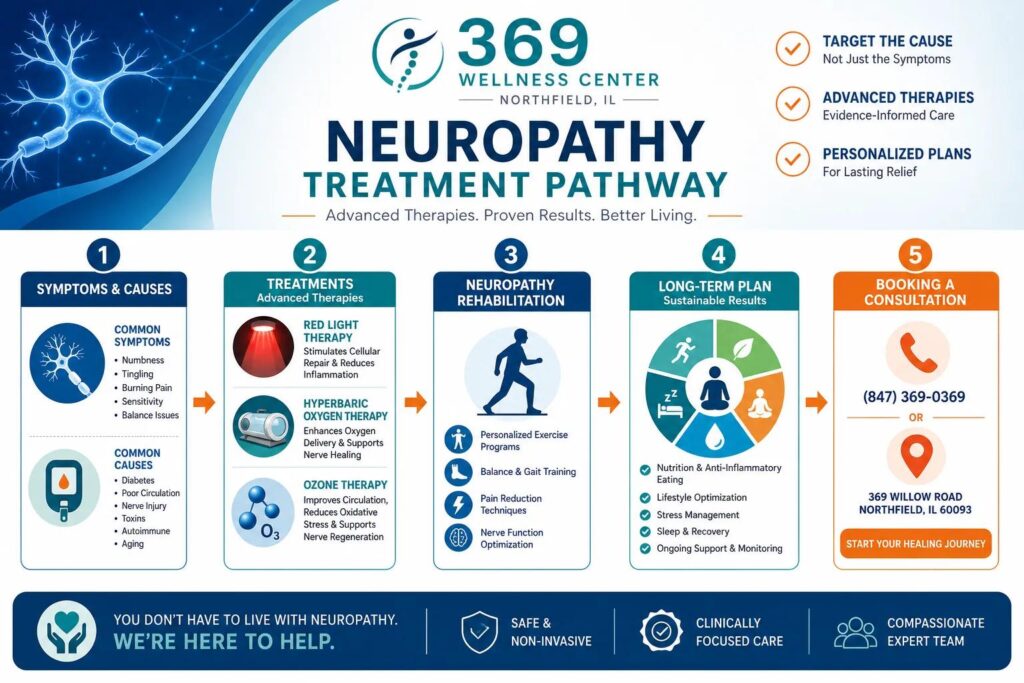
Peripheral neuropathy can show up in many ways and interfere with everyday life. Typical symptoms include numbness or tingling in the hands and feet, muscle weakness, burning or sharp pain, and heightened sensitivity to touch. Causes vary: diabetes is a leading contributor, but trauma, infections, certain medications, toxin exposure, and nutritional deficiencies can also damage peripheral nerves. Age and some chronic health conditions raise the risk. Knowing the likely causes helps us target therapy more effectively.
Which Advanced Neuropathy therapy Options Does 369 Wellness Center Offer?
At 369 Wellness Center, we combine targeted, evidence-informed therapies to reduce pain and support nerve repair. Our therapy options include: Clinical studies suggest light-based therapies, including red light, can help reduce neuropathy symptoms and improve nerve function.
Photon Stimulation for Diabetic Peripheral Neuropathy Pain
Summary: Peripheral neuropathy is a frequent complication of diabetes. This study examined whether photon stimulation could improve pain, sensation, and quality of life for people with diabetic peripheral neuropathy.
A randomized clinical trial evaluating photon stimulation’s effects on pain, sensation, and quality of life in patients with diabetic peripheral neuropathy, 2010
- Red Light Therapy: A gentle, non-invasive therapy that uses specific light wavelengths to stimulate cellular repair and reduce inflammation, often easing neuropathic pain.
- Hyperbaric Oxygen Therapy:Delivered in a pressurized chamber, this therapy increases oxygen supply to tissues, supporting healing and reducing nerve-related pain.
- Ozone Therapy: A complementary approach that may help modulate inflammation and stimulate the body’s natural repair systems.
We tailor these therapies to each patient’s history and needs, building a comprehensive plan that addresses symptoms and the factors that contribute to nerve damage.
| therapy Option | Mechanism | Benefits |
|---|---|---|
| Red Light Therapy | Stimulates cellular repair and reduces inflammation | Non-invasive pain relief and improved nerve function |
| Hyperbaric Oxygen Therapy | Boosts oxygen delivery to healing tissues | Supports tissue repair and can lessen nerve pain |
| Ozone Therapy | Modulates inflammation and promotes healing | May accelerate recovery and reduce pain |
When combined thoughtfully, these modalities create a holistic protocol aimed at symptom relief and long-term nerve support.
How Can Patients Benefit from Neuropathy Rehabilitation in Northfield?
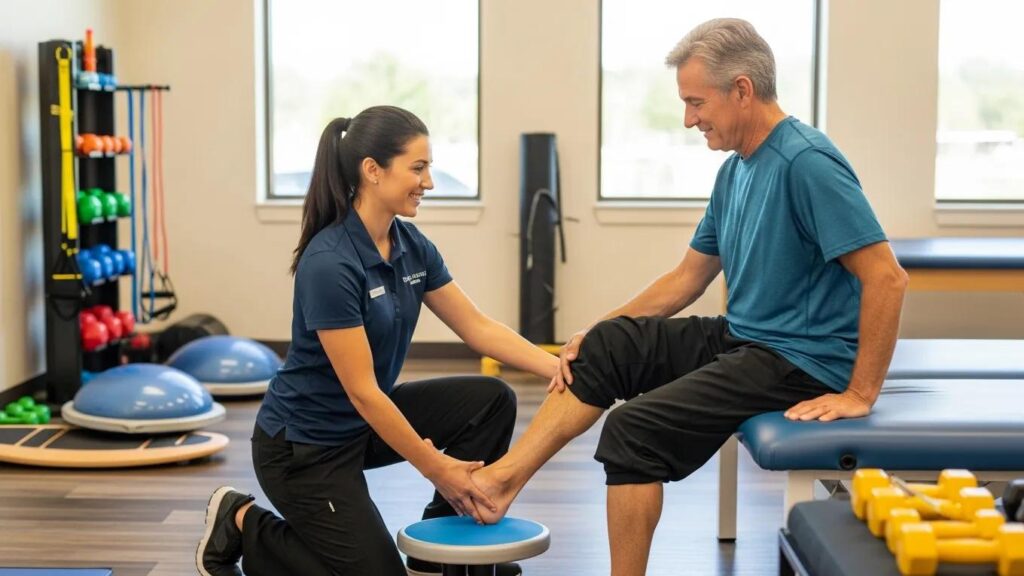
Neuropathy rehabilitation complements medical therapies by restoring function and reducing pain through targeted exercises and modalities. Patients often see improvements in circulation, muscle strength, balance, and daily function. Rehabilitation can also help retrain nerves and reduce symptom intensity, contributing to a better quality of life. Many patients report meaningful gains when rehab is combined with our other therapies. Research supports the practical benefits of physical rehabilitation for people with neuropathic pain.
Physical Rehabilitation Benefits for Neuropathic Pain
Overview: Rehabilitation has been studied across several neuropathic conditions, including diabetic neuropathy, central nervous system injuries, complex regional pain syndrome, post-herpetic neuralgia, and phantom limb pain. Evidence shows improvements such as increased macro- and microcirculation, reduced pain, stronger muscles, better balance, and improved quality of life.
Physical rehabilitation to therapy neuropathic pain, JB Souza, 2016 While many studies show promising results, ongoing research is still refining the best rehabilitation strategies for different types of peripheral neuropathy in humans.
Rehabilitation therapy for Peripheral Neuropathy
Conclusion: Preclinical studies frequently show improved nerve function after physical exercise, but more clinical evidence is needed to fully validate specific rehabilitation protocols for human peripheral neuropathies.
The role of physical exercise and rehabilitative implications in the process of nerve repair in peripheral neuropathies: a systematic review, R Chiaramonte, 2023
How Does 369 Wellness Center Support Long-Term Nerve Pain Relief?
We focus on individualized wellness plans that look beyond symptoms to address root causes. Every patient receives a thorough assessment so our team can build a therapy program suited to their condition, lifestyle, and goals. Long-term strategies at our center combine therapeutic technologies, rehabilitation, nutrition, and lifestyle guidance to promote sustained relief and improved function. Patient stories and outcomes reflect the lasting improvements this approach can deliver.
Advanced Neuropathy Therapy Options at 369 Wellness Center
Neuropathy rehabilitation complements medical therapies by restoring function and reducing pain through targeted exercises and modalities. Patients often see improvements in circulation, muscle strength, balance, and daily function. Rehabilitation can also help retrain nerves and reduce symptom intensity, contributing to a better quality of life. Many patients report meaningful gains when rehab is combined with our other therapies. Research supports the practical benefits of physical rehabilitation for people with neuropathic pain.
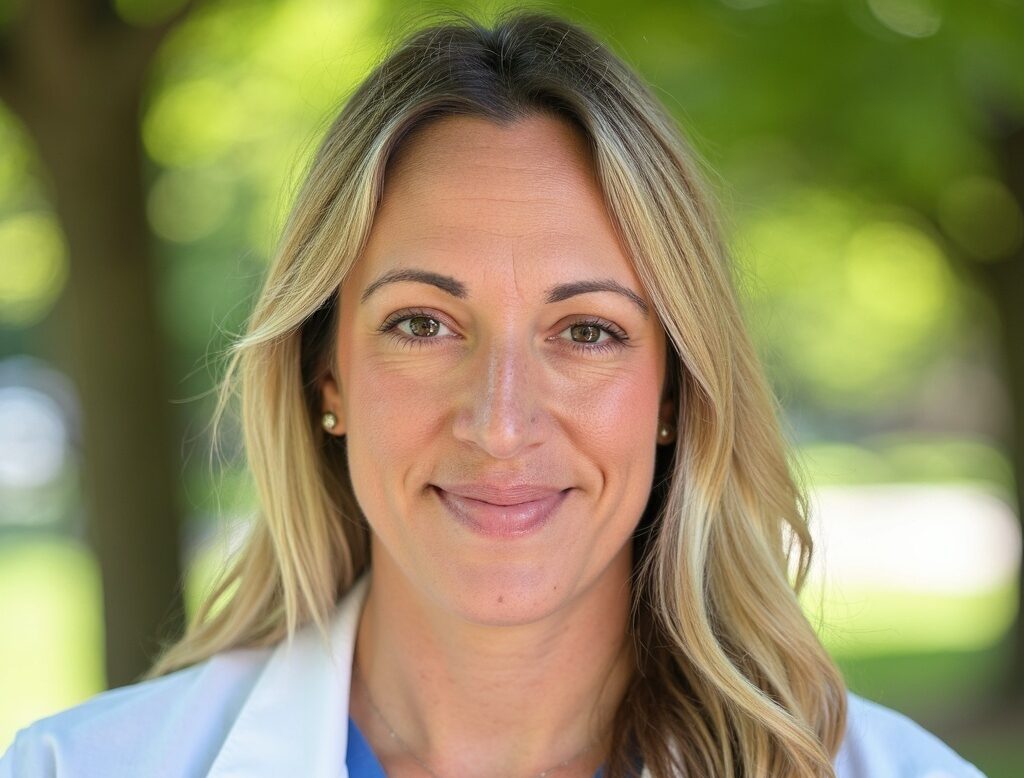
1. Introduction
Jennifer Recker, APRN, FNP-BC, is a board-certified Family Nurse Practitioner with experience spanning critical care, rural outreach in South America, and work with underserved U.S. communities and major hospitals. She practices integrative primary care rooted in patient-centered principles: longer visits, careful listening, and care plans tailored to each person’s values and lifestyle. Trained in functional medicine through the Institute for Functional Medicine (IFM) and nearing completion of her IFM certificate, Jen blends conventional evidence-based care with functional, root-cause strategies to support lasting health.
2. signature specialties
Her signature specialties and clinical focuses include:
- Advanced digestive testing and gut microbiome support (food sensitivities, dysbiosis, leaky gut) for fatigue, brain fog, skin issues, and chronic inflammation
- Neuroendocrine balance and adrenal support to restore the nervous system’s “rest and repair” function
- Chronic viral management and strategies to reduce toxic burden and environmental stressors
Jen emphasizes early, targeted testing (inflammation markers, nutrient status, cardiometabolic health) so issues are identified before they become chronic. When she’s not caring for patients, you’ll often find her in the garden growing fresh food for family, friends, and neighbors.
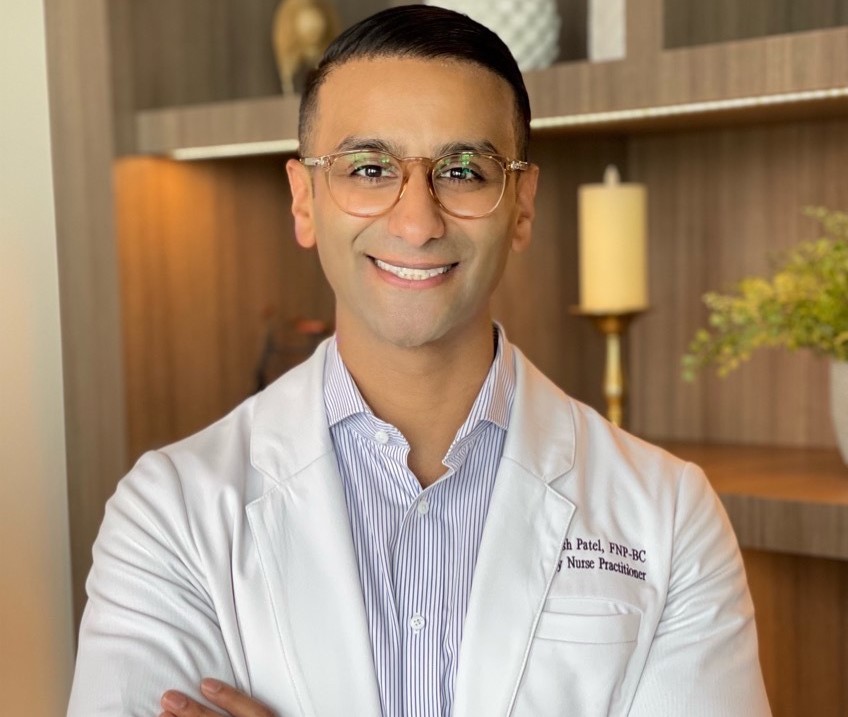
Meet Krupesh Patel, FNP-BC: Expert in Hormone Optimization and Integrative Medicine
1. Introduction
Krupesh Patel, FNP-BC, is a board-certified Family Nurse Practitioner with advanced expertise in functional, integrative, and regenerative medicine. Since launching his healthcare career in 2013, he has been committed to helping patients achieve optimal health by identifying and addressing the root causes of illnesses rather than simply managing symptoms.
2. expertise in hormone optimization
Krupesh brings expertise in hormone optimization, metabolic health, and preventive care. He blends evidence-based medicine with personalized lifestyle guidance to help patients restore balance and vitality. His goal is to empower people with the knowledge and tools they need to stay well at every stage of life.
3. Practice Approach
His practice integrates cutting-edge medical approaches with practical lifestyle changes so patients can achieve measurable, lasting improvements.
How Can You Book a Consultation for Neuropathy therapy at 369 Wellness Center?
Scheduling a consultation is simple. Call us at (224) 347-7479 to speak with our team and set up an appointment. Please have your medical history available, physician approval may be required before beginning certain therapies. Our clinic is located at 1845 Oak Street, Suite 15, Northfield, IL 60093, conveniently serving patients seeking advanced neuropathy care.
Frequently Asked Questions
What lifestyle changes can help manage peripheral neuropathy symptoms?
Lifestyle choices can make a real difference. Regular, low-impact exercise (walking, swimming) improves circulation and supports nerve health. A nutrient-rich diet with vitamins B1, B6, and B12 and antioxidants helps nerve function. Managing blood sugar, avoiding alcohol, and maintaining a healthy weight are crucial for many patients. Stress-reduction practices like yoga, breathing exercises, or meditation can reduce pain perception and improve overall well-being.
Are there any side effects associated with neuropathy therapies?
Most neuropathy therapies we offer are well tolerated. Mild, temporary effects can include skin redness or sensitivity after red light sessions, brief fatigue, or minor discomfort. Hyperbaric oxygen is generally safe when administered properly, though some people may feel temporary ear or sinus pressure. Ozone therapy can cause transient respiratory or irritation symptoms in sensitive individuals. We review risks and monitor patients closely to minimize side effects.
How long does it typically take to see results from neuropathy therapies?
Results vary by person. Some patients notice symptom relief after a few sessions, particularly with therapies like red light therapy; others need several weeks of consistent care. Severity of nerve damage, overall health, and adherence to the therapy plan all affect recovery time. Regular follow-ups help us track progress and adjust the plan for the best outcome.
Can neuropathy be completely cured, or is it a lifelong condition?
Peripheral neuropathy is complex. For some people, especially when the cause is reversible, significant recovery is possible. In chronic conditions like diabetes, neuropathy may not be fully curable, but symptoms can often be managed effectively and function improved. Our goal is to reduce pain, restore function where possible, and slow or prevent further nerve damage.
What role does nutrition play in managing neuropathy?
Nutrition matters. Diets rich in B vitamins (B1, B6, B12), omega-3 fatty acids, and antioxidants support nerve health and reduce inflammation. Controlling blood sugar and maintaining a healthy weight are particularly important for diabetic neuropathy. We often recommend working with a nutrition specialist for personalized guidance.
Is neuropathy rehabilitation suitable for everyone?
Rehabilitation helps many people but may not be appropriate for every case. Suitability depends on the neuropathy’s cause, overall health, and any limiting medical conditions. Some patients with severe complications or mobility limitations need modified programs or alternative therapies. A thorough evaluation determines the best, safest plan for each individual.
Key Takeaways
- Peripheral neuropathy causes numbness, tingling, and pain due to peripheral nerve damage from various underlying conditions.
- 369 Wellness Center offers advanced therapies like red light, hyperbaric oxygen, and ozone therapies to reduce neuropathic pain.
- Neuropathy rehabilitation improves circulation, muscle strength, balance, and daily function through targeted exercises and modalities.
- Individualized therapy plans at 369 Wellness Center address root causes and promote long-term nerve pain relief and function.
- Integrative specialists at the center combine evidence-based care with functional medicine for comprehensive neuropathy management.
- Lifestyle changes, including exercise, nutrition, and stress reduction, support nerve health and symptom management in neuropathy patients.
- Most neuropathy therapies are well tolerated, with mild, temporary side effects monitored closely by clinical staff.
- Recovery time varies; some patients see relief after a few sessions, while others require consistent, long-term care.
- Neuropathy may not be fully curable, but symptoms can be effectively managed to improve quality of life and function.
Conclusion
At 369 Wellness Center, we combine personalized care, targeted rehabilitation, and advanced therapies to help people with peripheral neuropathy reduce pain and regain function. Our approach targets both symptoms and underlying contributors to support lasting improvement. If neuropathy is affecting your life, take the first step, schedule a consultation and let us help you find a path to better comfort and mobility.